5 questions for Philippe Allignet
Details
5 Questions For is a column on NVTL.nl, social media, and in the newsletter Het Kanaal . We give the floor to various members: long-standing members, new members, student members, and board members. Would you like to participate or nominate someone? Send us an email.
This interview was originally conducted in English and has been translated by NVTL.
1. Who are you, what is your background, and what do you do?
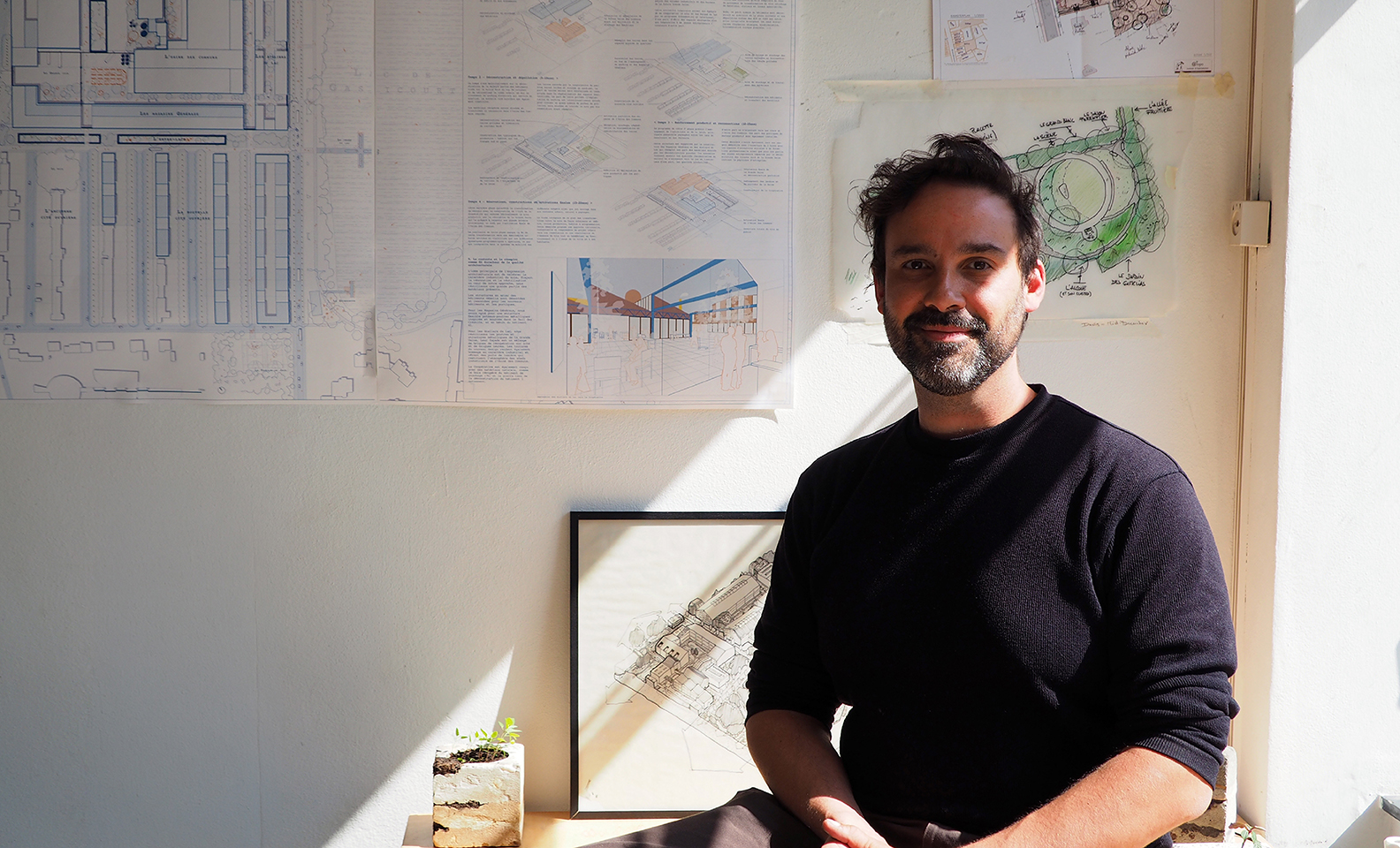
My name is Philippe Allignet, a landscape architect who graduated from the Amsterdam Academy of Architecture. I worked with H+N+S, BOOM Landscape, and OKRA before starting my own Rotterdam based practice, Landscapes as Leverage (LLA), a year and a half ago.
My path here was a bit of a detour. I was initially aiming to become a doctor to heal people, and when that didn’t work out, I realized that if I couldn’t heal humans directly, I could influence their well-being and behaviours by shaping their environment. That led me to study garden design in France and landscape architecture in Amsterdam.
I wanted to discover the many scales of the profession. I worked at H+N+S for a few years, getting familiar with the Dutch landscape and systemic approach to large visions and research projects. I then jumped into urban landscape design at BOOM Landscape and OKRA, immersing myself in masterplans, parks, squares and real estate developments.
I quickly understood that to truly experiment with the social and ecological power of our profession, I needed my own platform. So I went fully independent.
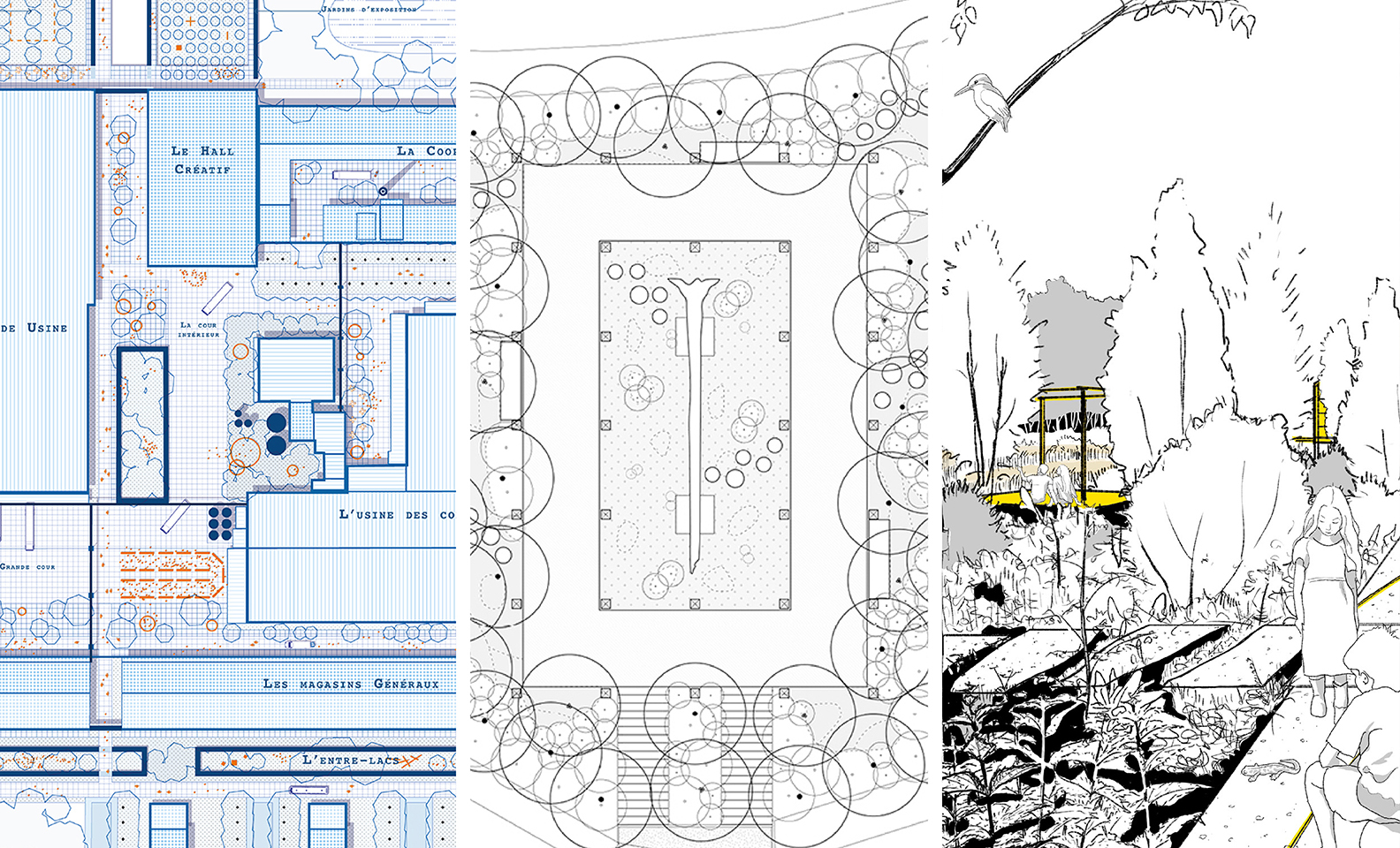
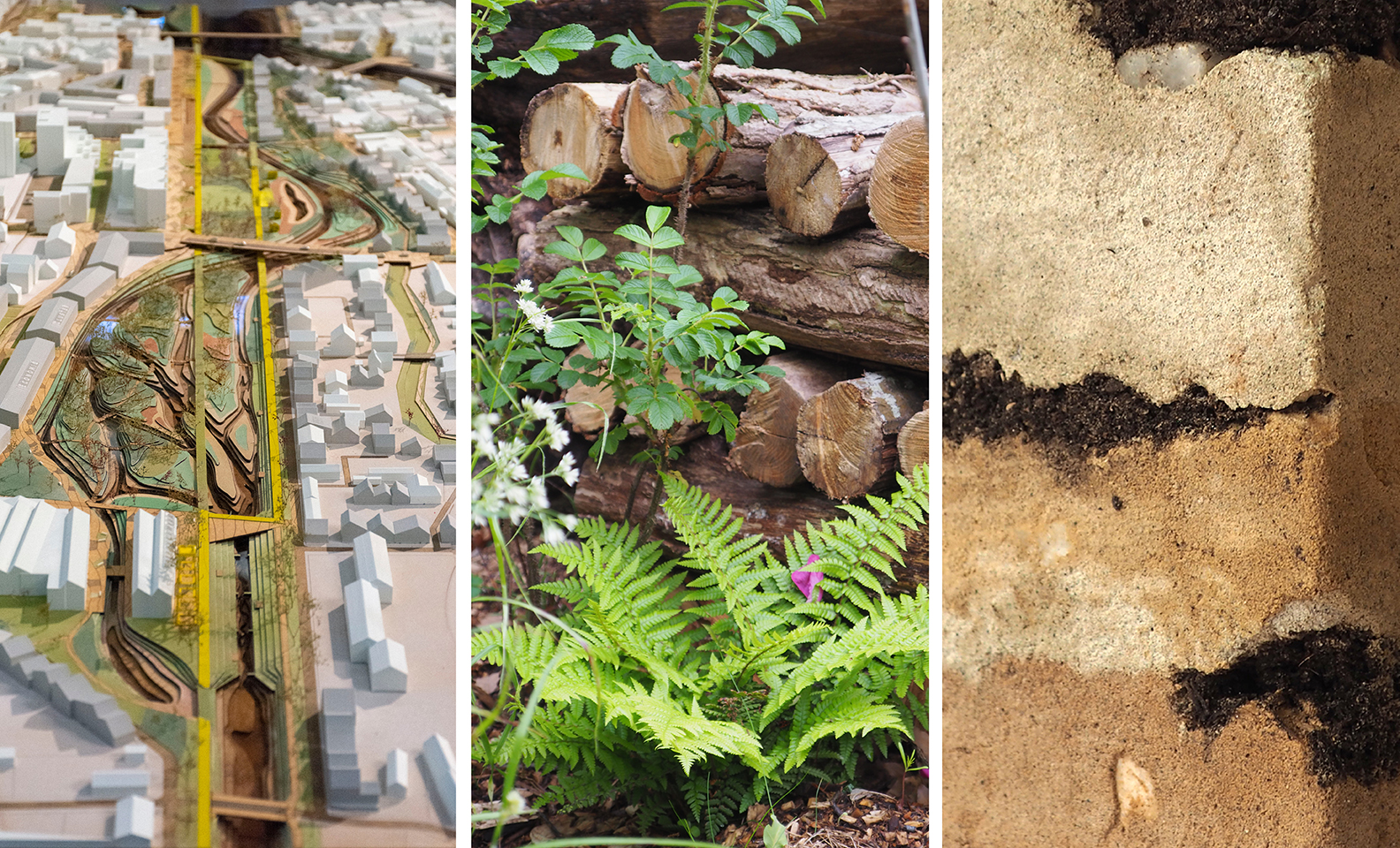
My main ambition is to re-entangle us humans with our environment, to re-wild spaces and behaviours. Today, I see myself a bit like a spatial negotiator. I implement these ambitions through visions and site-specific interventions. I am also constantly looking for ways to re-root my practice, testing ideas such as productive planting, material prototyping and reuse, and transmitting this knowledge through teaching.
2. Your master’s thesis at the Academy of Architecture explored how landscape can transform cities in crisis. What do you consider the most urgent spatial challenge in Dutch cities today?
If I had to name one, it would be the reconsideration of our urban transformation mechanisms, and how we handle the metabolism of our cities. Nowadays, the rapid pace at which cities transform is destructive. This process is often done in the name of the housing crisis; it acts at the expense of the social and physical sediments created by local communities, driving uncontrolled gentrification.
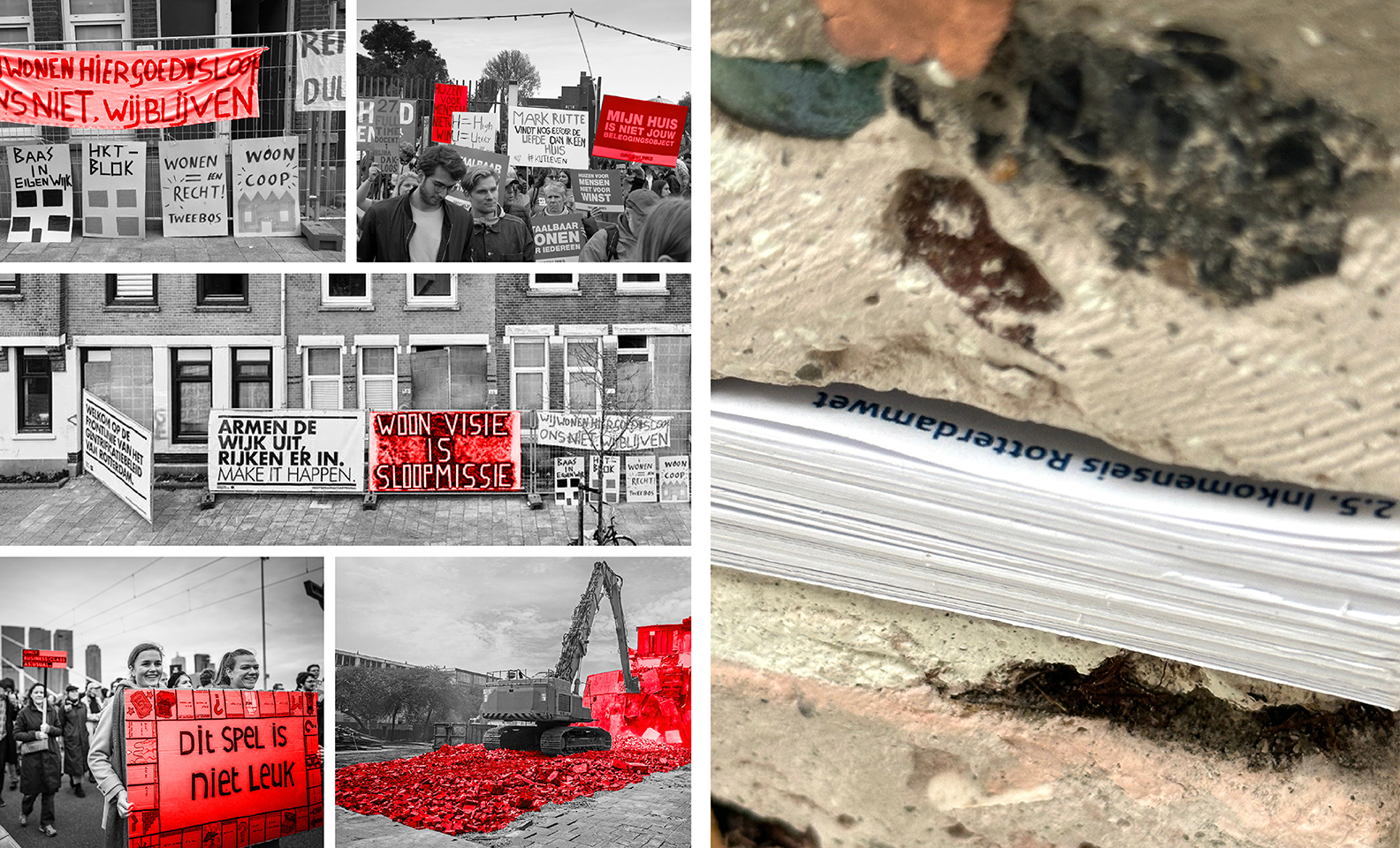
Here in Rotterdam, I am thinking of the Tweebosbuurt transformation, an affordable yet precarious neighbourhood. It was destroyed, the inhabitants displaced, and the area rebuilt for wealthier households. I am also thinking of Zoho, the creative block where I am writing these sentences, which will soon be demolished for residential towers. Cities have a great inertia, and their ‘patina’ takes decades to build. One must wonder if these displacements are erasing a crucial cultural wealth, beyond issues of social justice and the right to the city.
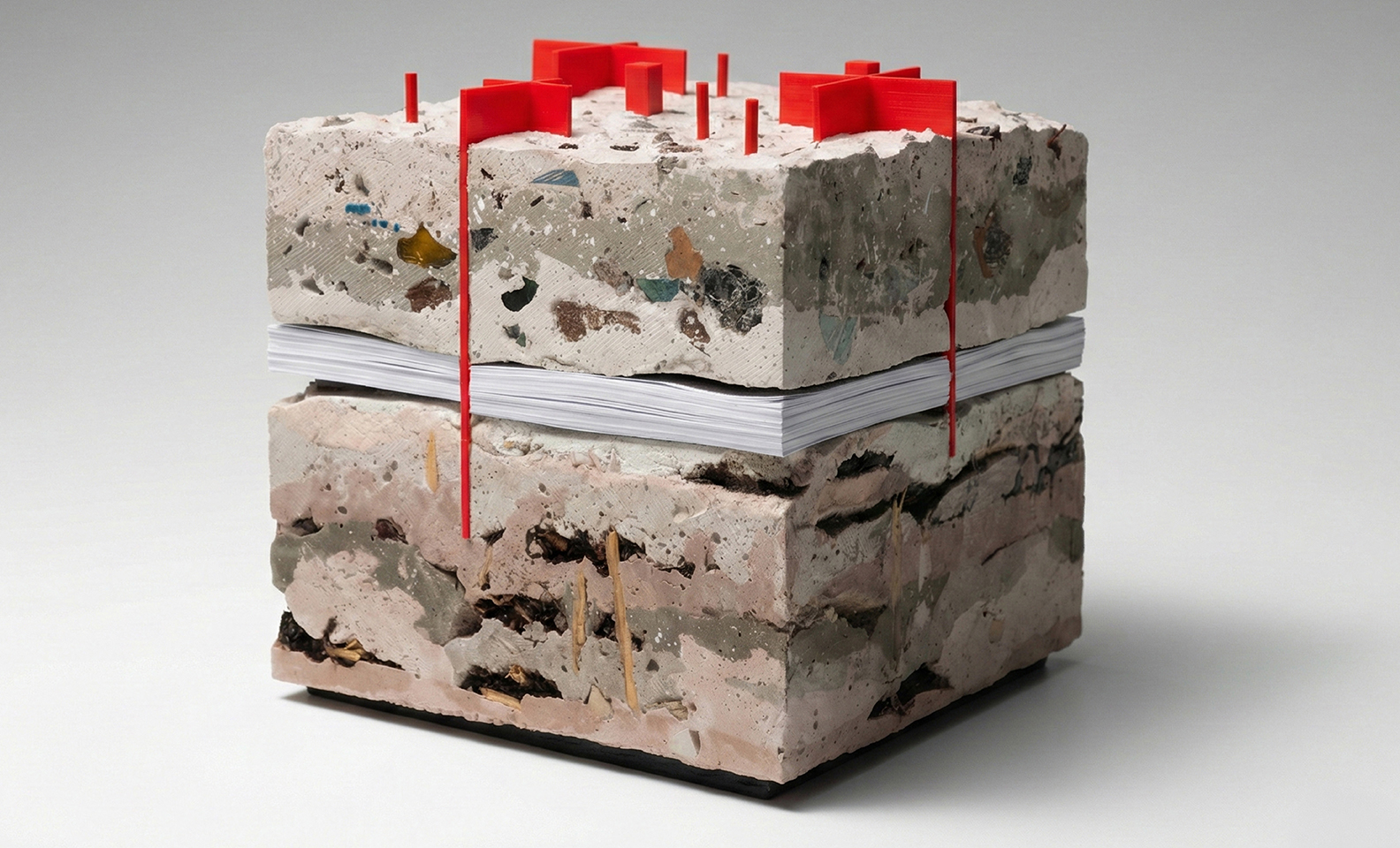
I investigated this dynamic in Rotterdam Zuid, where these destructive transformation processes clash with a subsiding underground. Looking deeper into policies like the Woonvisie and the Rotterdamwet, many other neighbourhoods are facing similar ground and social conditions. I believe landscape architects can play a role alongside urban designers to re-envision the future of these areas in a creative and respectful way.
As the sociologist David Harvey wrote, “the right to the city is far more than the individual liberty to access urban resources: it is a collective right to change ourselves by changing the city”. Isn’t it time to question the paper reality of zoning plans and the promises of developers in order to make the city an inclusive, vivid, creative, and democratic living ground for all?
3. Your practice is called LLA, or ‘Landscapes as leverage’. Can you expand on this and give an example of a project which encapsulates this idea?
‘Landscapes as leverage’ is exactly what it sounds like: using landscape architecture as the primary catalyst to unlock complex urban, social, and even financial situations. It is an opportunity to tackle global and local challenges in an integrated manner, moving towards a more situated and logical practice.
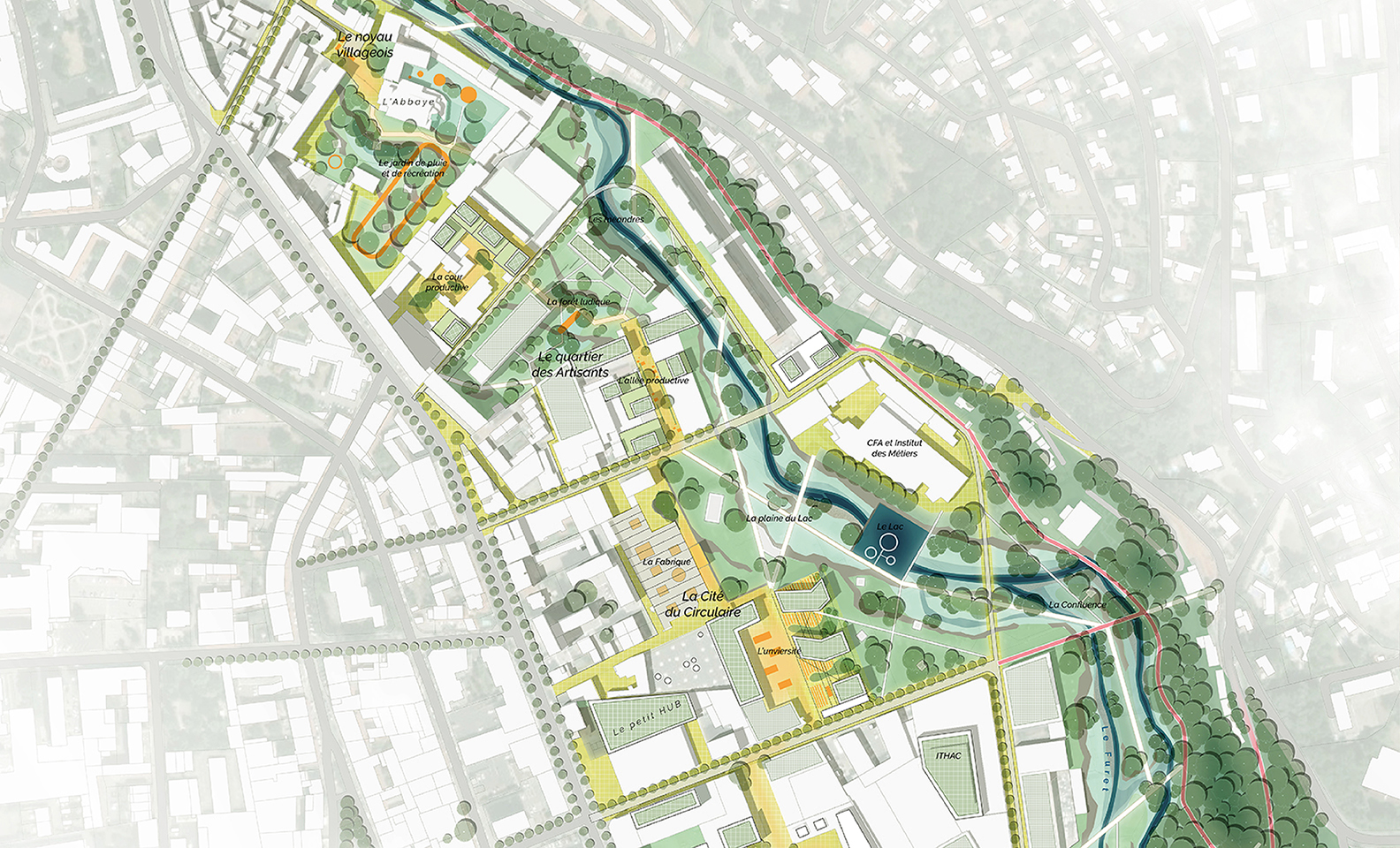
An example is the masterplan for the neighbourhoods of Valbenoîte-La Rivière in the shrinking city of St-Étienne, France. This 40ha area includes a strategic yet dysfunctional industrial area on one side, and a heritage-rich yet pauperized residential area on the other. Shops are closing, active public spaces are absent, and the narrowed, canalized Furan river slaloms behind the plots, while its strict flood protection plan prevents any urban transformation.
Using the landscape as leverage takes shape here: we are using the redevelopment of the river as the main catalyst for the redevelopment of the entire area.
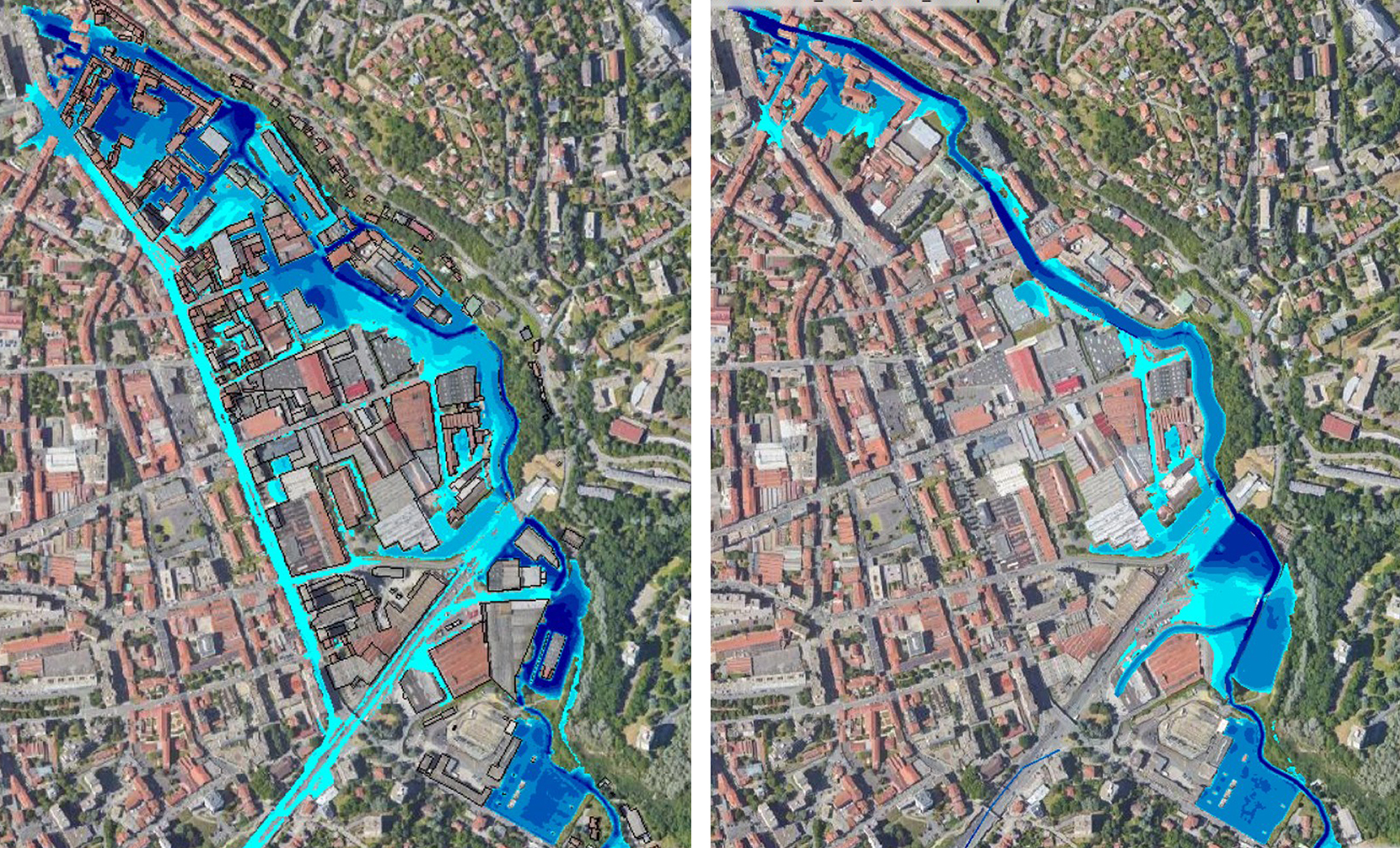
First, by making space for the river, we can protect the population and surrounding buildings. It will also become a natural park for the surrounding neighbourhoods, connect to the adjacent urban centralities and introduce new uses. Second, the widening of the river rewrites the flood protection perimeter, which physically and legally unlocks the transformation of the built environment. Rather than a constraint, the landscape intervention becomes the key to making the entire neighbourhood malleable again in the short, medium and long term, open and flexible to private and public ambitions alike.
And the broader the river, the more meaning for the park and the greater the environmental resilience! Instead of developing 3 different urban scenarios, we proposed 3 levels of ambition for the river itself, backed with flood models. This comprehensive approach using the river as leverage made the choices really clear for the commissioner and local representatives. They chose the broader option, a small victory in itself!
4. Your projects engage with systems and long-term transformations. Do you see your role shifting toward strategist or even activist?
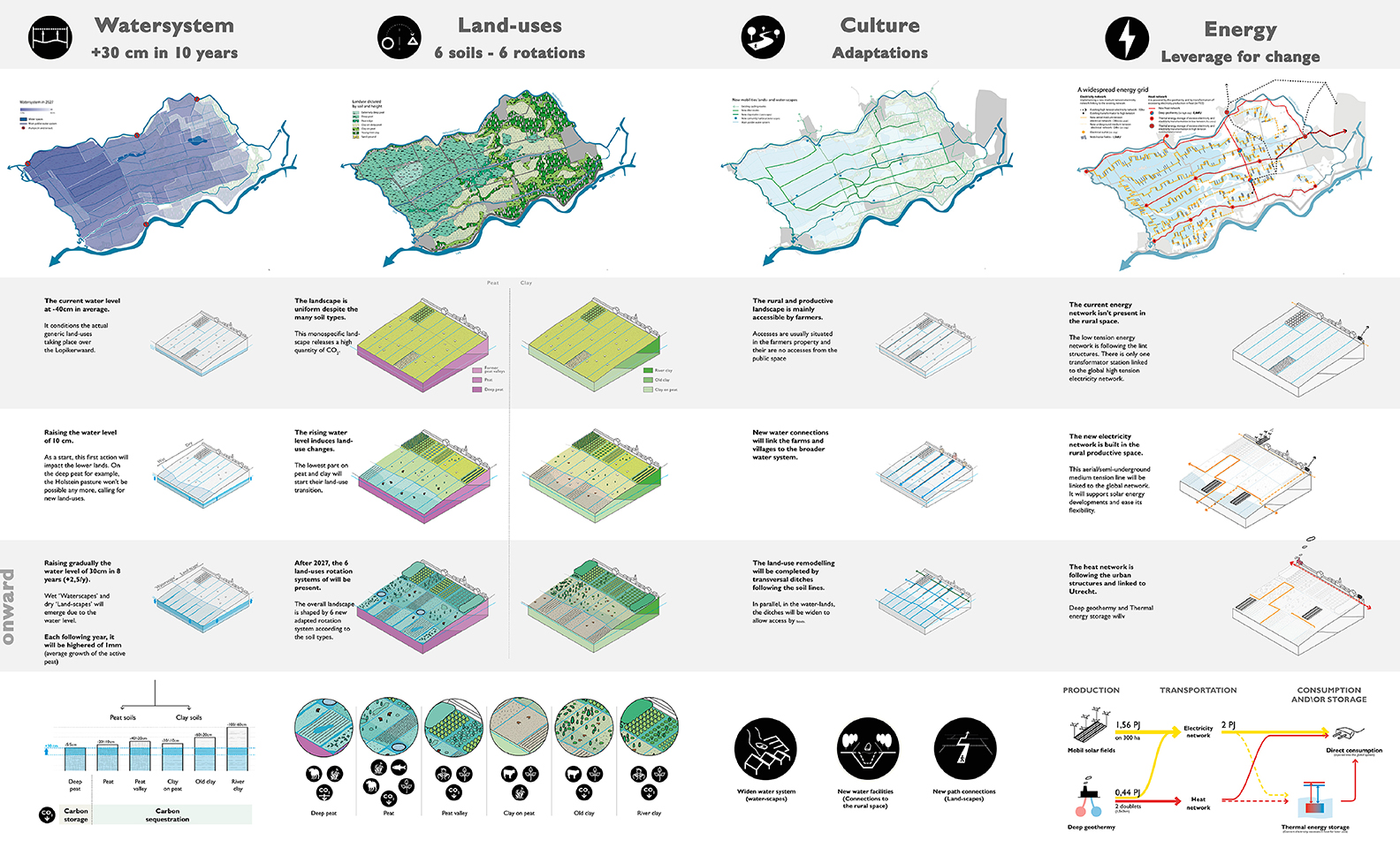
Perhaps a bit of both! On one hand, our society itself has ambitions while dealing with its complex social and spatial realities. To make the best of an existing situation while infusing future ambitions, you absolutely have to be a strategist: you have to navigate complex realities, advocate for your beliefs, and demonstrate the potential of these pathways in order to make large-scale projects happen.
On the other hand, we live in a society that has a deeply complicated relationship with its partnering environment. There is a massive gap between our daily human practices and the non-human world. To bridge that gap, you have to be an activist. You have to embrace complexity and while all projects are different, step by step, it’s happening. That’s what makes the job so interesting!
There is also an activist side to how I approach the design itself. I playfully advocate for a ‘situated animism’. I don’t mean pagan mysticism, but rather treating the soil, water, plants, and local resources as equal partners rather than just exploitable or discarded supplies. This mindset naturally extends to a broader ethic of environmental care, intertwining with dynamics like post-growth, circularity or localism. Seeing humans and non-humans as entangled fundamentally challenges our profession. It forces us to ask: how do we build within planetary boundaries, for whom do we design and to what end?
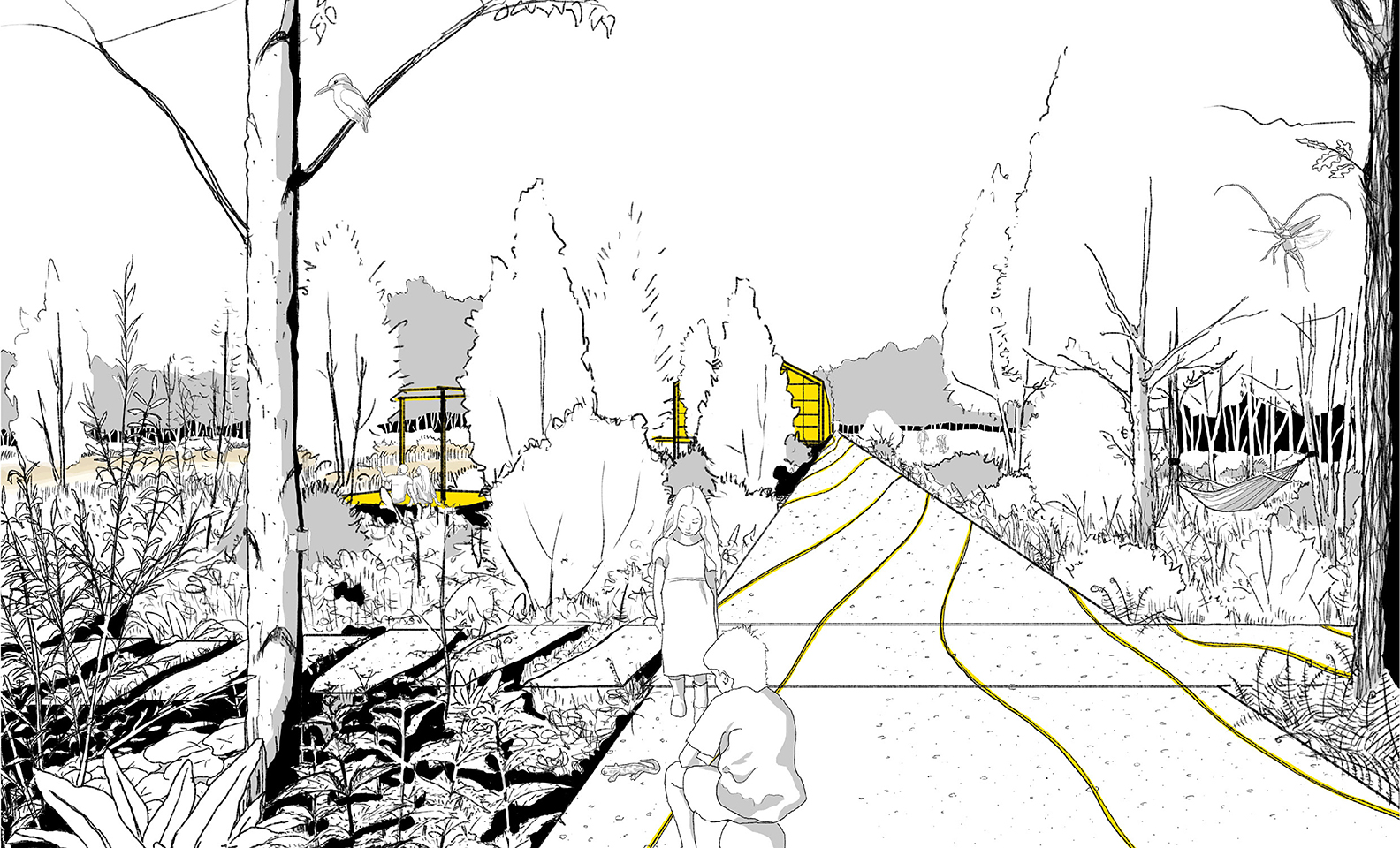
Whether it’s breaking up the asphalt of a schoolyard, reusing broken material, shifting lawns to meadows or simply raising awareness, the goal is the same: to use spatial design to shift behaviours. In the end, it is about fostering curiosity, mutual understanding, synergies and respect between people and the wild.
5. Your work is predominantly international. How does the Dutch approach to garden and landscape design differ from what you see globally?
Well, as the proverb says ‘God created the world, the Dutch created the Netherlands’, the country is almost entirely man-made. Because space is scarce and regulated, the Dutch approach is characterised by systemic control, coherent planning and design, and brilliant engineering.
In many ways, I do think the Dutch approach, its landscape architecture culture and awareness (and its actual results), is ahead. It is a luxury to work in a country that understands what landscape architecture is about! It might be logical to talk about systems, coherence through scales and spatial qualities but that’s not the norm. From there, integral thinking isn’t a battle anymore, it is a given! This fosters curiosity and creativity, adding value across disciplines and interest, towards meaningful interventions co-benefiting the entire system.
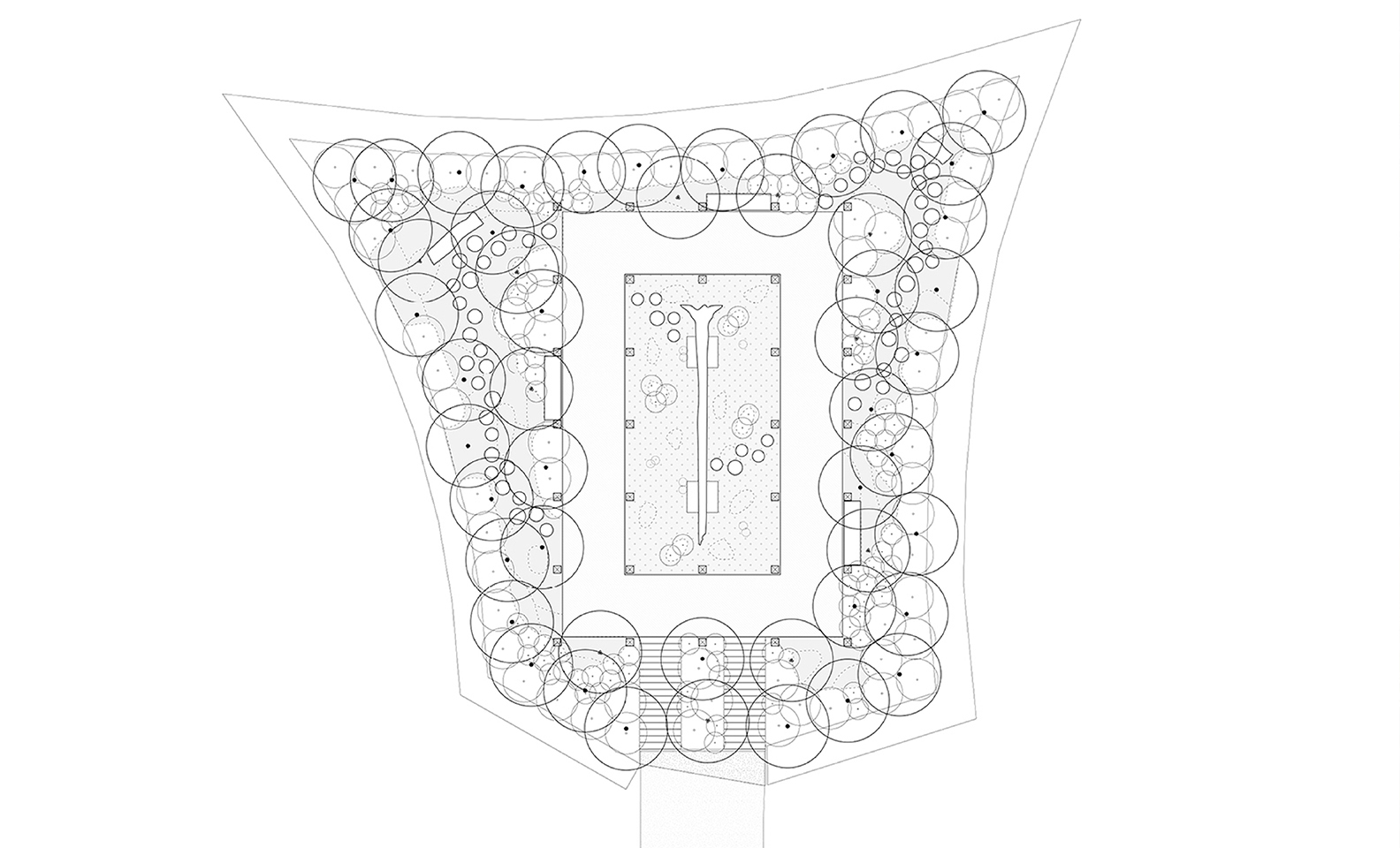
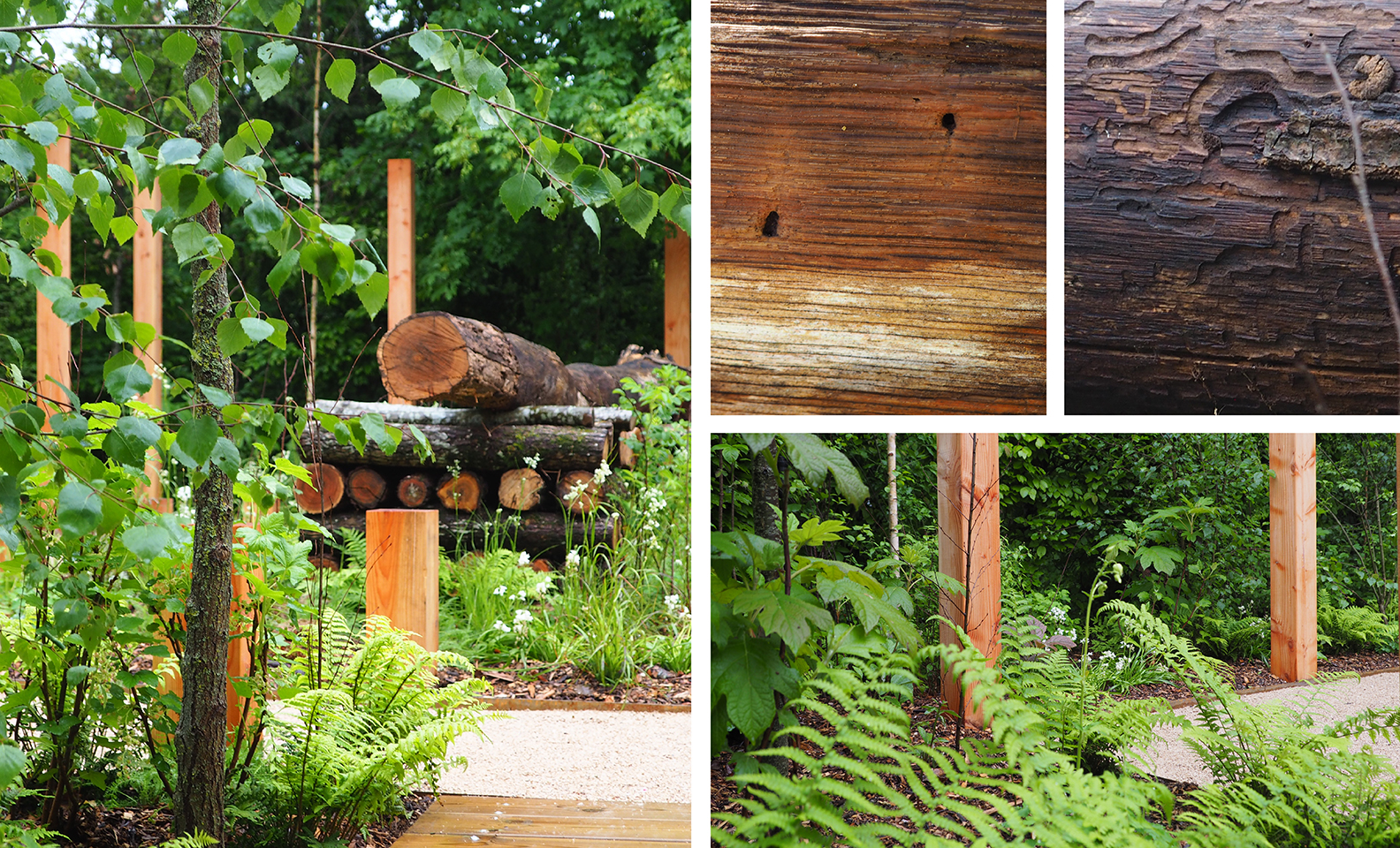
The second difference would be about concepts and narratives. You learn to root every design decision in a clear, legible story. This translates directly into the geometry and spatial quality of my designs. Whether I’m working on a park or a garden in France or in Belgium, an underlying structure is always rigorously organized. The wilderness is framed by a strong, intentional geometry, which creates a highly creative spatial experience.
However, in my international work, there is often a bit more comfort with unruliness. Through LLA, I try to act as a bridge. I bring the rigorous Dutch thinking (the systems, the scales, the strong conceptual narratives) to my projects abroad. But I also try to sneak that international sense of raw ecology back into the Netherlands. In a sense, I use the sharp geometry and systemic logic I learned here to frame and elevate the unruly, tactile reality of nature.